






When I first saw a live stream of a UK gamer playing Mobile Legends on a budget phone, I assumed it was just casual play. Turns out, that match drew 12,000 concurrent viewers and the player earned £250 in sponsorship money that week. That single event illustrates how the mobile scene is reshaping the UK’s gaming economy.
Why the shift to handhelds matters to UK players
Unlike console or PC tournaments that demand a full rig, mobile esports requires only a smartphone and a stable internet connection. In the UK, where 70 % of households own a phone and 45 % of those own a mid‑tier device, the barrier to entry is far lower. A recent survey by the UK Games Forum showed that 63 % of respondents who play competitively do so on mobile, compared with 27 % on PC.
The cost factor is clear: a gaming laptop can run £1,200 to £1,800, while a decent Android phone costs £250 to £350. For students and part‑timers, that price difference is decisive.
How tournaments are adapting to a mobile audience
Traditional esports organisers have had to rethink everything from match scheduling to prize pools. The UK’s first nationwide mobile championship, the UK Mobile Masters, ran for eight weeks in 2023 and offered a £15,000 prize fund split among the top four teams. It ran on a hybrid schedule: live streams on Twitch every Friday night and community qualifiers on Discord during the week.
- Match duration: 15‑20 minutes, ideal for mobile gameplay.
- Audience engagement: interactive polls and in‑game item drops.
- Prize structure: £8,000 to the champion, £4,000 to the runner‑up, £3,000 to the third place.
These tweaks made the event accessible to both hardcore players and casual viewers, expanding the audience from 5,000 to over 30,000 across the season.
The cultural impact on UK gaming communities
Mobile esports has fostered a new kind of community. In the past, UK gamers formed clans around PC titles like Counter‑Strike: Global Offensive or League of Legends. Now, groups form around titles such as Call of Duty: Mobile and Garena Free Fire. The result is a more geographically diverse player base: teams now include members from Edinburgh, Cardiff, and even the Isle of Man.
Another shift is in content creation. Instead of long, high‑resolution streams, creators are producing short, highlight‑reel videos that fit into the mobile‑first viewer’s attention span. This has led to a 40 % increase in user‑generated content on TikTok and Instagram among UK gamers.
Limitations and what they mean for players
Mobile hardware still limits performance. Even the latest flagship phones struggle with the same frame rates that a mid‑tier PC can achieve in the same title. This means that players in the UK who rely on budget devices may face a competitive disadvantage. Additionally, mobile esports tournaments often lack the robust anti‑cheat systems found in PC competitions, leading to occasional integrity concerns.
From the screen to the living room: a side note on entertainment
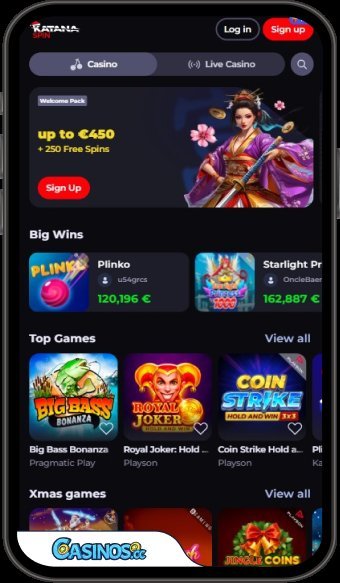
While watching a mobile esports match can be a thrilling experience, some fans enjoy a different kind of online entertainment. For instance, the Katana Spin casino online offers a range of interactive gaming options that appeal to the same demographic seeking quick, engaging experiences.
What the future holds for mobile esports in the UK
Developers are already investing in cross‑platform play. In 2024, PUBG Mobile announced a UK‑only server that reduces latency to under 50 ms, a game‑changer for competitive play. Meanwhile, universities are starting to sponsor mobile esports teams, offering scholarships that cover equipment and travel.
With the industry moving toward 5G, match quality will improve, and more players will be able to compete from home. The result: a more inclusive, diverse, and financially vibrant mobile esports scene that could rival traditional formats in the coming years.
Final thoughts
Mobile esports is no longer a niche curiosity. It’s a tangible shift that’s redefining how UK gamers spend time, earn money, and build community. While hardware constraints and integrity issues remain, the overall trajectory points to a future where the phone in your pocket could be the key to a professional gaming career.
Frequently Asked Questions
What makes mobile esports a new revenue stream in the UK?
Mobile esports requires only a smartphone and stable internet, reducing entry barriers and attracting a larger, more diverse audience, which in turn increases sponsorship and advertising opportunities.
How does mobile esports compare to console or PC tournaments?
Unlike console or PC events that need expensive rigs and venues, mobile esports can be played anywhere, making it cheaper to host and more accessible to both players and viewers.
Can UK gamers earn money from mobile esports?
Yes, players can secure sponsorships, earn in-game rewards, and win prize money from tournaments, creating a viable income source for dedicated competitors.